
Carb-cycling is real. It feels like cheating but our brains CRAVE them as their preferred fuel. That’s why waiting to eat at least four hours between any meal matters as discussed in my intermittent fasting post (especially during these annoying, never-ending uncertain times). With all of the vaccine “hesitancy” shenanigans going on in addition to climate-change madness (triple digit-temps in Canada, Hawaiian wildfires, and massive European floods??!!), we can dive headlong back into comforting carbs. And when I say we, I mean me.
Maintaining a 16:8 fasting regimen makes cheating a bit (e.g., 85% cacao chocolate, sweet potato chips, and straight-up junk like NJ-style pizza) and saves my keto butt from blowing up. But not without amping up my workout intensity. Building metabolically more-active muscle helps, too. I use free weights, a rowing machine, a lawn mower (ha,ha, doing 2 hours of it with a push mower makes me sweat like nothing else!), flow yoga, even Zumba! Why not, it’s like dancing your fat and stress away (don’t be an exercise snob).
Anyway, my favorite diet guru (thanks Thomas DeLauer) offers an approach to carb-cycling that makes some sense of the science behind it. And yet, every body (i.e., metabolism) is different so you have to experiment a little to see what works for you. I desperately wish there was a one-size-fits-all answer to how to burn fat despite the fuel source, be it ketones or glycogen.
How to Do Carb-Cycling Properly?

My not-a-doctor advice: eat as many good ones as you can to mitigate any damage done by dietary indiscretions. Complexity counts for doing this, so try to stick to single-ingredient choices. Eat an actual sweet potato or a butternut squash. If your carb-binge involves a bag or a box (i.e., processed foods) READ THE INGREDIENTS! When you see a ridiculously long list it might make you think twice; if that list is short and clean, your gut will thank you. However, when you’re super stressed, it can be hard to avoid over-eating. At this point try to remember that calories and meal timing both count whether you’re packing in good or bad carbs. That’s where epigenetics and bio-hacking come in with a bag of tricks that can give your metabolism a booster shot–and maybe help you live healthier and longer.
Epigenetics & Bio-Hacking
Epigenetic adherents, like Dr. Jason Fung, have pretty much proved that fasting can help fix metabolic health while others believe that creating a mix of bio-hacking via extended fasting (days!) gives you an advantage. My favorite epigenetic researcher, Harvard’s Dr. David Sinclair, gives us hope for improving quality of life through supplementation with NMN (nicotinamide mononucleotide), but I’m not the expert. I’m just trying to stay somewhat fit based on science and reprogramming my genes just enough to offset an early life filled with sugar/carb overloading. It’s an adventure that gives me hope based on measureable results (still 30-lbs down after 3 years!).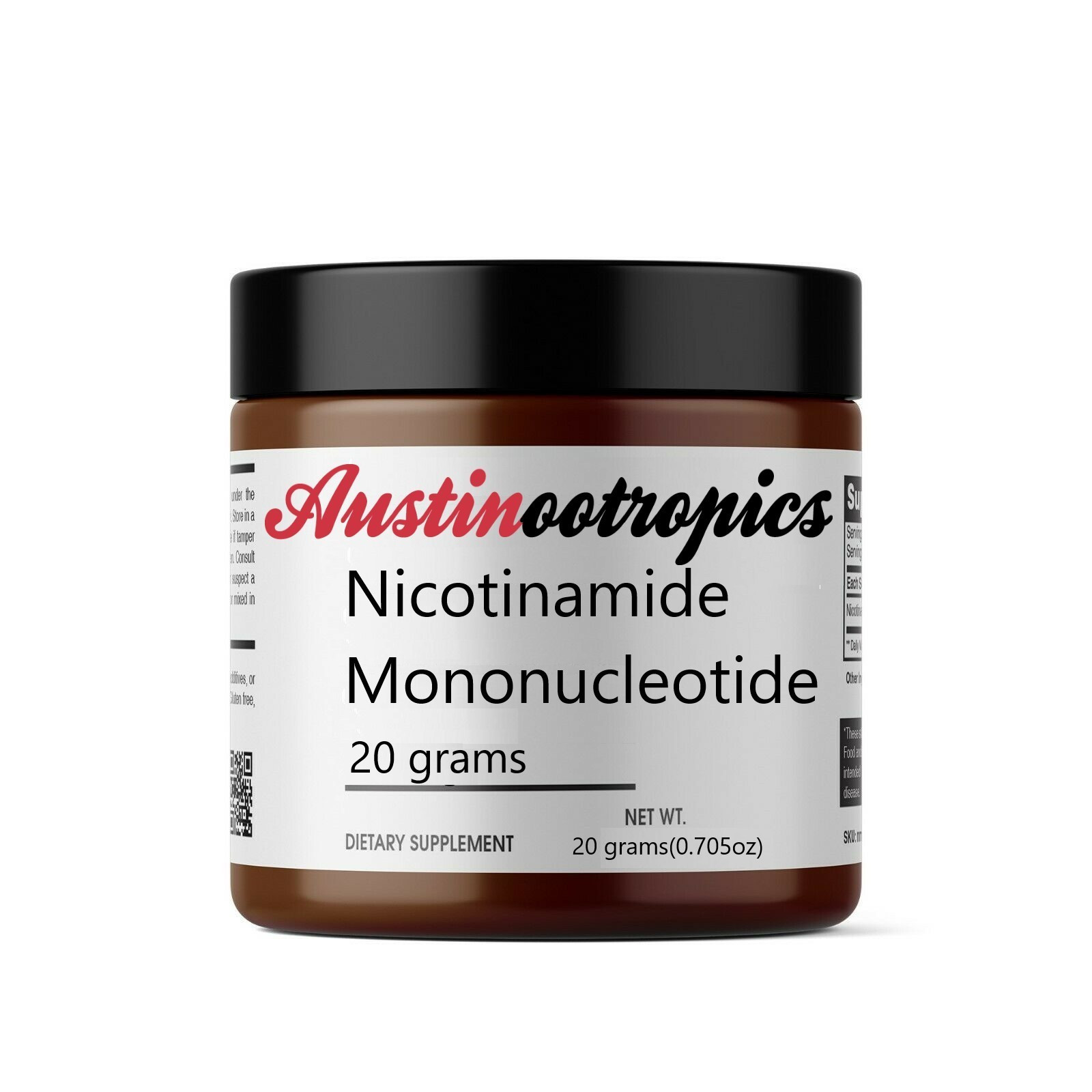

 Brandmoon: Words Matter