
It sounds like such a great concept: why not dabble in a ketogenic lifestyle vs go all in? I mean, who doesn’t want to avoid the keto flu (yes, it is real!) along with other challenges that come with keeping your carbs between 20 and 30 grams to get into actual ketosis. After losing 30 pounds on my year-and-a-half keto journey, I spent the last year easing up on being so strict. Inevitably five or six pounds seemed to pile on instantly. In reality, it took a holiday season, a pandemic lockdown, and lots of anxiety eating. Now, I’m rethinking cheat days (that turn into weekends) and what qualifies as close enough to keto. Casual keto if you will.
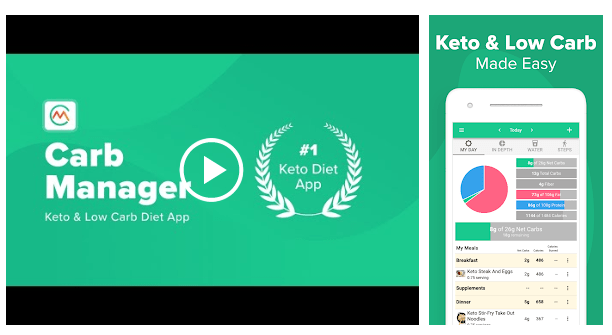
Back to Basics. Battling binges requires a little accountability, which for me meant going back to using the Carb Manager app for a week. Tracking food may seem less casual, but it keeps you honest in case you’re prone to eating-related amnesia. You’ll see what added up to more carbs stoking your cravings versus feeling satisfied with a meal that’s got a good ratio of carbs/protein/fat.
Right now, I’ve set the app to “Low Carb Moderate Fat” for a 20:40:40 ratio allowing me to have 89g of net carbs. I give Carb Manager extra points for its big database of common foods, intuitive interface and doing all that annoying keto math. I’m also okay with the free version prodding me to level up to a premium version.
Nutrition-ish Tips. I’m not a medical professional but working closely with nutritionists for over a decade taught me a few commonsense principles that apply to doing keto.
- Shop the perimeter! Almost all grocery stores have a simple design where the whole foods (seafood, meat, produce, dairy) are located around the perimeter. The aisles tend to have the snacks and other packaged goods with lengthy ingredient lists. The longer the list (aka “deck”) the more junky they tend to be. Even some emblazoned with the word “keto.” Marketing figured that one out, go figure.
- Favor single-ingredient foods. There’s a reason cauliflower is so popular but, again, don’t assume a box of “cauliflower crackers” is all good. Most snack foods seem to start with corn meal — definitely not keto. Here’s a thought, make your own super-simple treats and snacks!
- Easy cheese crisps: Do them in a couple of minutes by spacing little piles of shredded Parmesan in a non-stick pan. Kick them up a notch by topping with grape tomato halves as they’re cooking.
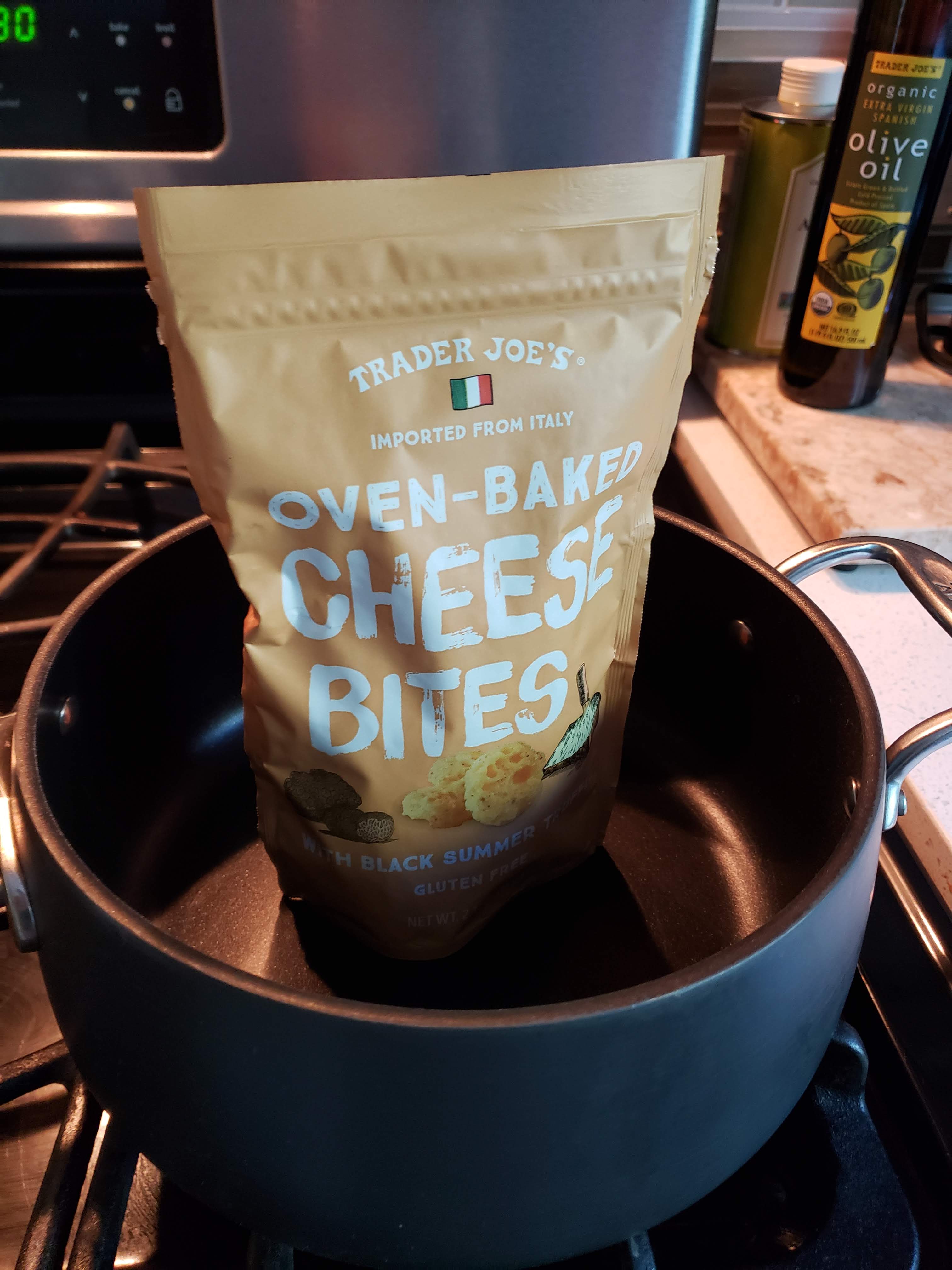
- Or try Trader Joe’s Oven-Baked Cheese Bites!
- Anything you overeat isn’t worth keeping around. It’s amazing that Costco has insanely delicious Keto Ice Cream Bars with only 2 net carbs. But they have a relatively long ingredient deck, and I can’t seem to eat fewer that two or three at a time!! Those extra carbs, plus the 170 calories each, add up too fast for me.
- Eat lighter at night. Unless you’re an elite athlete or otherwise blessed with a blast-furnace of a metabolism, a heavier meal in the evening seems to convert to fat more easily. And because digestion can keep your body busy into the wee hours, you may actually sleep better by choosing fewer calories within 2-3 hours before bed.
- Keep learning as you go. I rediscovered my love of food and cooking by watching keto YouTubers like Keto Connect and High Falutin Low Carb. My thirst for knowledge about how it all works got great input from Thomas DeLauer and Dr. Berg. These resources can inspire and educate keto newbies, whether strict or casual.
My Keto Journey
I worked with a couple of corporate nutritionists for a long time, and they were always leery of any weight-loss plan that smacked of a quick fix. As mainstream dietitian thinking goes, if it took a long time to gain the weight, it should take a long time to lose it. Yay, that worked! Mine was slow and extremely consistent — thus very encouraging. My colleagues also insisted that if you made extreme dietary changes it would be commensurately difficult to maintain the weight loss. Which might explain the scale ricocheting right back up as I relaxed into a casual approach.
Here’s the thing … if you combine low-carb eating with a crazy low-calorie regimen (aka, a crash diet) are both approaches flawed? I say not necessarily. But I also realized that 1000 calories a day was unsustainable (yeah, I was getting ready for a wedding…). Anyway, after hitting a plateau at the 20-lb. mark I heard about intermittent fasting, which some had suggested curbed cravings because it prevents overproduction of insulin. Sounded plausible to me. Of course it’s far more nuanced than just that, and everyone if different. And yet, a relatively simple 16:8 schedule (fasting 16 hours/eating window of 8, with 4 hours between meals if possible) made a massive difference for me.
Thanks to unfettered access to sugary junk foods as a kid, I’ve struggled with weight since grade school. There was a lot of fat shaming at school, so I was put on a pediatrician-supervised diet in the seventh grade. That let me enjoy a generous 2,000 calories a day to lose 22lbs. Sadly, it didn’t address the quality of what I ate or its timing, or possibly cutting out sugar, exercise or anything else that could have been more impactful for long-term success.
And as I got older (and older), I tried all manner of diets: super-low calorie, low fat, meal replacements, metabolism supplements. What a sucky obsession! Paleo helped a little, but I still ate three times a day with regular snacks like every nutritionist recommends. Now even that general advice is being called into question in some mainstream circles. I know it’s oversimplifying things to say one approach is the optimal way to eat. Nevertheless, it’s amazing to me that a basic low-carb diet combined with intermittent fasting have helped me keep weight off for about three years — even factoring in the bad, bingey cheat meals.
I’m keenly aware that this is not a diet; as trite as it may sound it really is a lifestyle.

 Brandmoon: Words Matter